Malta · Mediterranean
Malta
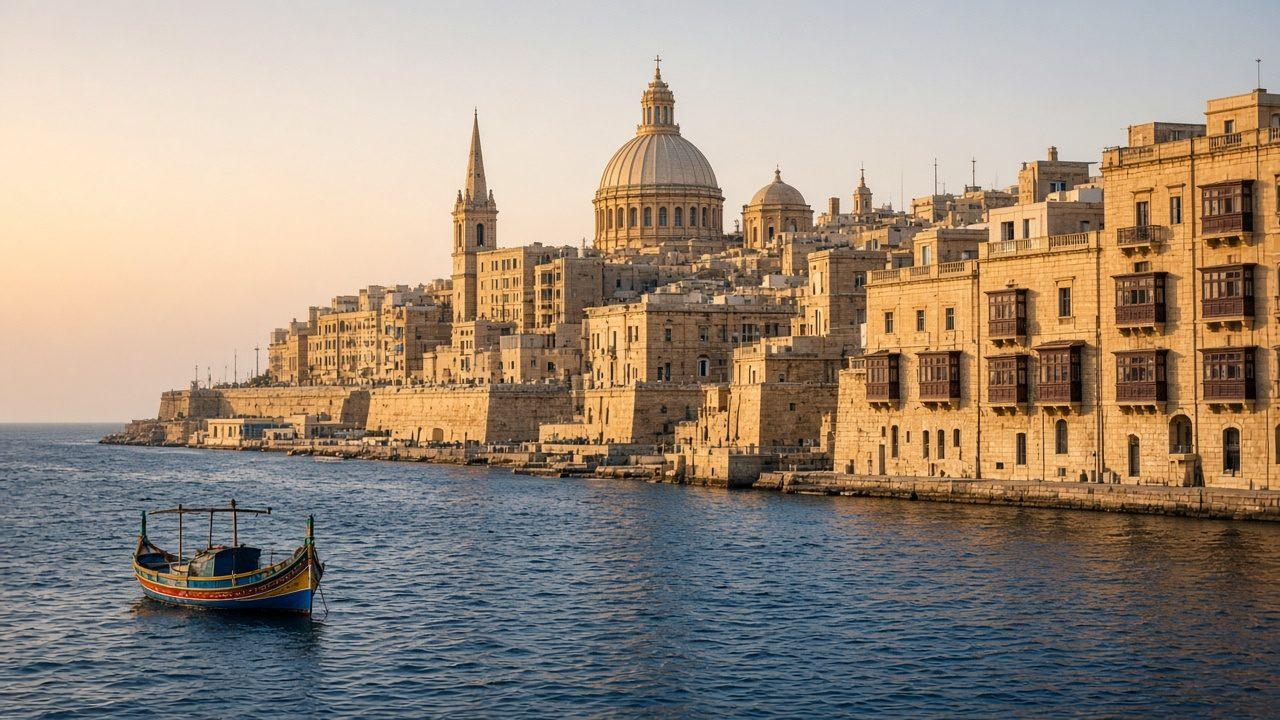
Honey-stone cities and water the colour of glass.
Small enough to see in a week, warm well into October, and a fraction of the price of the Riviera. Valletta by day, St Julian's by night, Comino whenever you can.
- Best time to go
- May, June, September, October, November
- Public transport
- 58/100
- Need a car?
- For some days
- Daily budget
- €71 – €141
Where to stay
Valletta
Stay here for baroque streets, harbour views and quiet evenings, with St Julian's nightlife a 15-minute ferry away.
St Julian's
Stay here for you're walking distance from the island's bars and beach clubs.
Sliema
Stay here for a seafront promenade and ferries everywhere.
Getting around
Tallinja bus card, harbour ferries and Bolt. Gozo's coves and the south coast are slow by bus; a small car turns two-hour journeys into thirty minutes.
Arriving
- Airport to town
- Malta Public Transport buses run island-wide; a Tallinja card cuts fares. Bolt and eCabs are reliable for late nights. Ferries link Valletta, Sliema and the Three Cities.
- Staying connected
- EU roaming applies on EU plans; otherwise use a data eSIM.
- Paying
- Cards accepted almost everywhere; small kiosks and some boats prefer cash.
Itineraries
Ready-made day-by-day plans — adapt them to your dates and budget with AI.
What it costs
| Budget | €71 / per day |
|---|---|
| Comfortable | €141 / per day |
| Luxury | €328 / per day |
Indicative daily costs per person, for planning. Live prices come from our partners when you plan.
Worth booking ahead
7 h
Comino Blue Lagoon & Caves Boat Day
A small-group boat to the Blue Lagoon, Crystal Lagoon and the caves of Comino, with time to swim.
4 h
Valletta & Three Cities Walking Tour with Dghajsa Ride
Knights, fortresses and a traditional water-taxi crossing of Grand Harbour.
From the journal
Frequently asked questions
What is the best time to visit Malta?
May–June and September–November are the best months, with average highs from about 21°C in November to 29°C in June and September. It stays warm well into October. July and August are the hottest, with highs around 31–32°C.
How many days do you need in Malta?
Malta is small enough to see well in about a week. Five days covers Valletta, the Three Cities, Mdina and a Comino boat day; add time if you want to explore Gozo's coves.
Where is the best area to stay in Malta?
Valletta offers baroque streets, harbour views and quiet evenings, with St Julian's nightlife a 15-minute ferry away. St Julian's puts you within walking distance of bars and beach clubs, while Sliema has a seafront promenade and ferries in every direction.
How do you get around Malta?
Buses run island-wide and a Tallinja card cuts fares. Ferries link Valletta, Sliema and the Three Cities, and Bolt and eCabs are reliable for late nights. Note that traffic drives on the left.
Do you need a car in Malta?
Not for Valletta, Sliema and St Julian's, where ferries and ride-hailing work well and parking is scarce. A small car is worth it if you want Gozo's coves and the south coast, where it can turn two-hour bus journeys into about thirty minutes.