48 Hours in Tokyo
Two days, one rail pass and a list that skips the queues: the Tokyo weekend we'd plan for a friend.
· 3 min read
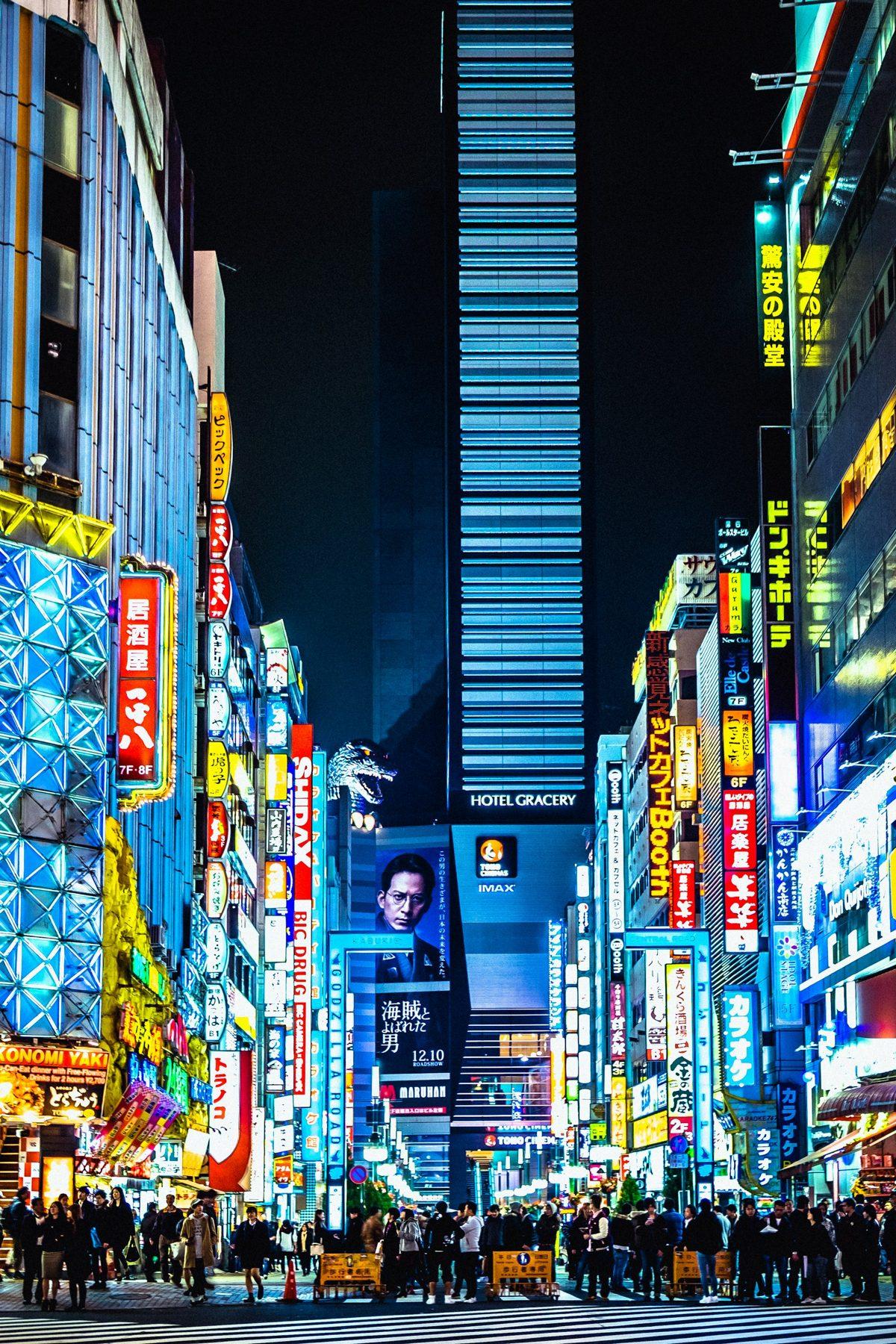
With only 48 hours in Tokyo, the trick is not to see everything but to string together neighbourhoods that sit on the same train lines. This is the two-day route we'd hand a friend: early starts where the crowds are worst, long evenings where the city is best, and almost no time wasted in transit.
Planning 48 hours in Tokyo: base yourself in Shinjuku
Two days is not long in a city of fourteen million, so where you sleep matters more than anything you'll do. Shinjuku is the answer for a short trip: the JR Yamanote line loops to Shibuya, Harajuku and Ueno in minutes, the Narita Express and Limousine Bus stop at the station, and you'll never be more than a short walk from dinner at midnight.
Stay east of the station, around Kabukicho and Shinjuku-sanchome, if you want bars at the door. Stay south, near Shinjuku Gyoen, if you want quieter streets and morning runs through the park.
Arriving: Haneda or Narita
Haneda is the closer of Tokyo's two airports, and on a short trip that matters: the Keikyu line and the Tokyo Monorail connect it to the rail network, and a taxi into the city is a realistic option if you land late. Narita is further out; the Narita Express runs direct to Shinjuku and the Limousine Bus drops at major hotels. If you have a choice of flights, pick the one into Haneda and you'll usually win back half a morning.
Day one: old Tokyo, then Golden Gai
Start early at Senso-ji in Asakusa. Before 8am the temple belongs to locals walking their dogs; by 10 it belongs to tour groups. Walk Nakamise-dori as the shutters go up, then take the Ginza line to Ueno for a lazy hour in the park.
Lunch is ramen. Fuunji near Shinjuku's south exit does a tsukemen worth the twenty-minute line. Spend the afternoon in Shibuya — cross the scramble once from street level and once from the Shibuya Sky deck — then head back for an evening in Omoide Yokocho and Golden Gai, where two hundred bars fit into six alleys and most seat eight people at most.
Day two: Tsukiji, teamLab and the long dinner
The inner fish market moved to Toyosu in 2018, but the outer market at Tsukiji is still the best breakfast in the city: tamagoyaki on a stick, uni over rice, a coffee at Turret. From there, Toyosu's teamLab Planets is two stops away; book the first slot of the day.
Spend the afternoon on foot through Daikanyama and Nakameguro — independent bookstores, a canal lined with cherry trees and some of Tokyo's best coffee. Finish with an omakase counter in Ginza or, for half the price, a yakitori counter under the train tracks in Yurakucho.
What to book before you fly
Most of Tokyo works on walk-ins, but three things on this route reward planning:
- teamLab Planets sells timed tickets; the first slot of the day is the calmest.
- Shibuya Sky also uses time slots, and sunset slots go first.
- Omakase counters in Ginza often take reservations weeks ahead and may require a card guarantee. Yakitori in Yurakucho is the walk-in alternative.
If you're still deciding how much to spend, our Tokyo travel budget guide breaks down where the money actually goes.
Do you need a car?
No. Tokyo's rail network reaches everything on this list faster than a car would, and hotel parking costs ¥3,000–5,000 a night. Save the rental for a day trip to Hakone or the Fuji Five Lakes, and even then the Odakyu Romancecar is the more relaxing option.
For neighbourhoods, seasons and longer itineraries, see our full Tokyo destination guide.
Frequently asked questions
Is 48 hours in Tokyo enough?
It's enough for a satisfying first taste if you stay central and group neighbourhoods by train line — Asakusa and Ueno on one day, Tsukiji, Toyosu and the southwest on the other. You won't see day-trip destinations like Hakone or Nikko, so treat it as a first visit rather than a complete one.
Where should I stay for a short trip to Tokyo?
Shinjuku is the most practical base for two days: it's on the JR Yamanote line, has direct airport connections and keeps restaurants and bars open late. Shibuya is a close alternative if you prefer design hotels and shopping.
Do I need a JR Pass for 2 days in Tokyo?
Usually not. The nationwide JR Pass is designed for long-distance travel, such as Shinkansen trips between cities. For a stay within Tokyo, a pay-as-you-go IC card like Suica or PASMO is simpler and generally cheaper.
Wayline Editors · Travel desk
The Wayline editorial team plans trips for a living — and writes down what actually works.
- #tokyo
- #japan
- #weekend
- #itinerary
- #city-break