Tokyo Travel Budget: Where the Money Actually Goes
Tokyo doesn't deserve its expensive reputation everywhere. A line-by-line look at where the money goes, and where to save or splurge.
· 6 min read
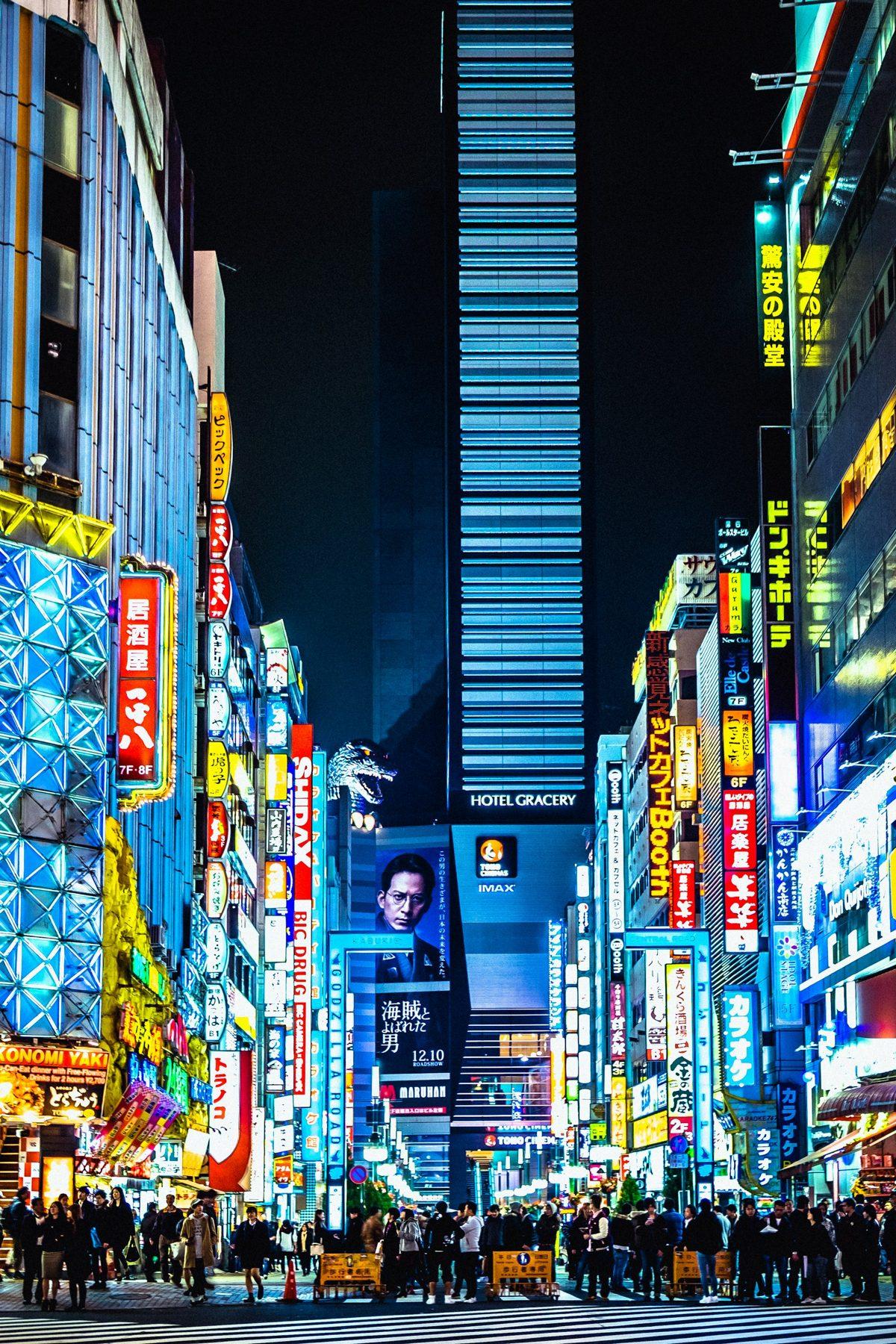
Most people planning a Tokyo travel budget fall into one of two traps: they assume the city is impossibly expensive and don't plan at all, or they budget around the flight and get surprised on the ground. The truth sits in between. Hotels and some experiences can be genuinely expensive, but food, transport and many of the best sights are surprisingly reasonable compared with other major world cities. This guide takes each line of the budget in turn.
How to plan a Tokyo travel budget
An important caveat first: every figure here is an approximate range, not a quote. The yen moves, prices in Japan have shifted in recent years, and hotel rates swing hard with the season. We give amounts in yen and in broad bands for that reason — always check live prices for your dates.
Think in five lines:
- Flights
- Accommodation
- Food
- Getting around
- Sights, experiences and shopping
The first two usually make up more than half the total. In other words, the biggest savings come from choosing dates and neighbourhoods, not restaurants.
Flights: the most volatile line
Tokyo is served by both Haneda and Narita, with direct and one-stop options from most major hubs. Direct flights save time but aren't always cheapest; one-stop fares can be noticeably lower on some dates. The biggest driver of price, though, is the season:
- Most expensive: cherry blossom season (late March–early April), Japan's Golden Week holidays (late April–early May), the summer holidays and New Year.
- Better value: mid-January to February, June (the rainy season) and some weeks from late November.
If your dates are flexible, set a price alert on your route and watch what "normal" looks like for a few weeks. Our guide to when to book flights explains how to read the signals.
Accommodation: from capsule hotels to ryokan
Tokyo's range of stays is wide, and this is the second-biggest lever on your budget:
- Hostels and capsule hotels: the cheapest option for solo travellers. Spotless and safe, but luggage space is tight and they don't suit couples.
- Business hotels: a Japanese speciality — small rooms that work flawlessly. The smartest choice for most mid-range travellers, with chains clustered near stations.
- Boutique and four-star hotels: more space and design, at a clear step up in price.
- Luxury hotels and ryokan: the most expensive category. Ryokan are limited in central Tokyo; for the traditional experience, a night in nearby Hakone often makes more sense.
Rooms are small by European or American standards, so check the square metres if you're travelling with two large cases. Neighbourhood matters too: Shinjuku, Shibuya and Ginza are among the priciest, while Ueno, Asakusa and Ikebukuro are often cheaper and still very well connected.
Food: from konbini to omakase
Food is Tokyo's biggest surprise: in one of the world's great food cities, a good, filling meal doesn't have to cost much. Approximate ranges:
- Convenience-store (konbini) breakfast: onigiri, a sandwich and coffee, from a few hundred yen to about ¥1,000.
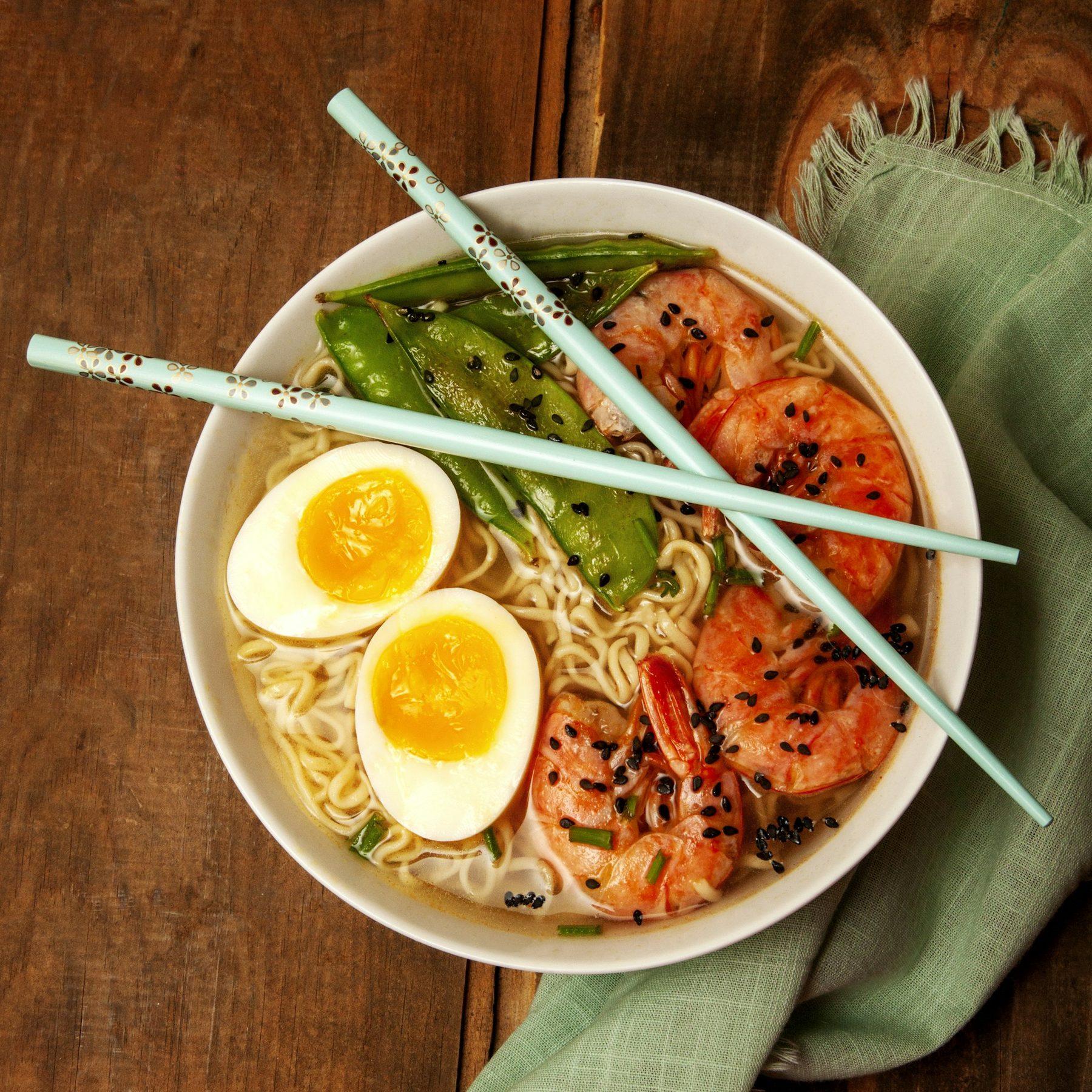
- Ramen or udon: roughly ¥1,000–1,500 in most places.
- Teishoku (set lunch): a main, rice, miso soup and pickles, usually around ¥1,000–2,000.
- Conveyor-belt sushi: priced by plate; a filling meal is often a few thousand yen.
- An izakaya evening: with drinks, roughly ¥3,000–6,000 per person.
- Omakase: the city's big-ticket meal, starting in the tens of thousands of yen and climbing fast.
The golden rule: good restaurants serve a far cheaper version of their dinner menu at lunch. A set lunch at a Ginza sushi counter can cost a fraction of the evening omakase.
Getting around: IC cards and the JR Pass maths
Transport in Tokyo is both superb and budget-friendly. Most metro and train rides cost a few hundred yen, and even a busy sightseeing day usually keeps transport spending modest.
- Suica or PASMO: pay-as-you-go IC cards you can add to your phone. They work on trains, metro, buses and at convenience-store tills.
- Tokyo Subway Ticket: a 24, 48 or 72-hour pass for visitors, valid on Tokyo Metro and Toei lines. Good value if you ride the subway a lot, but it doesn't cover JR lines.
- JR Pass: since its 2023 price rise, the nationwide pass generally only pays off with long-distance Shinkansen travel. If you're staying in Tokyo, skip it; if you're adding Kyoto and Osaka, compare it with individual tickets.
- Taxis: clean and reliable but expensive; save them for late nights or transfers with luggage.
The line most budgets forget is day trips. If you're giving a day to Hakone, Kamakura or Nikko, expect to spend several times your usual daily transport on getting there and back. On these routes, regional passes from the rail companies — such as Odakyu's Hakone Freepass — bundle the trains and some local connections into one ticket; compare them with single fares before you buy.
Sights: what's free and what isn't
Some of Tokyo's most impressive places cost nothing:
- Senso-ji temple and Nakamise-dori in Asakusa.
- Meiji Jingu shrine and Yoyogi Park in Harajuku.
- The observation floors of the Tokyo Metropolitan Government Building in Shinjuku — the best free view over the city.
- Shibuya Crossing, Ueno Park and a wander through Tsukiji's outer market.
On the paid side are observation decks (Shibuya Sky, Tokyo Skytree), digital art museums like teamLab, major museums and theme parks. Pairing one paid stop with one or two free ones each day is an easy way to keep the budget balanced.
Sample daily budgets: three levels
These ranges exclude flights and accommodation, are per person and are approximate:
- Thrifty: konbini breakfast, ramen or teishoku for lunch, a simple dinner, the metro and free sights. Roughly ¥5,000–8,000.
- Mid-range: café breakfast, a good set lunch, an izakaya evening and one paid entry a day. Roughly ¥10,000–15,000.
- Comfortable: omakase or another upscale dinner, a cocktail bar, taxis and several paid experiences. ¥20,000 and up, with no real ceiling.
Almost all of the gap between thrifty and mid-range comes from dinner — which means you can eat extremely well in Tokyo and still stay on a sensible budget.
Realistic ways to spend less in Tokyo
- Avoid cherry blossom season, Golden Week and New Year if you can.
- Make lunch your main meal; keep dinners to izakaya or ramen.
- Visit department-store food halls (depachika) in the evening, when markdowns near closing time are common.
- Stay in Ueno or Asakusa instead of Shinjuku — being near the Yamanote line is what matters.
- Use free viewpoints and pick only one paid observation deck.
- Carry a water bottle: vending machines are everywhere, and several drinks a day add up.
On payment: cards are now widely accepted, but small restaurants, shrines and some stalls may still be cash-only, so carry some yen. Foreign cards generally work at ATMs in major convenience-store chains such as 7-Eleven. Japan's tax-free shopping scheme for visitors is being reworked, so check current official guidance before a big purchase and carry your passport when shopping. And tipping isn't expected anywhere — a small, pleasant saving. Finally, budget for staying connected: an eSIM or pocket Wi-Fi is often cheaper than your home provider's roaming, and reliable data makes navigation, translation and transit apps far easier to use.
Check Japan's official consular sources for entry requirements before you book. For a ready-made two-day route, read 48 hours in Tokyo; for neighbourhoods and hotels, see the Tokyo destination guide.
Frequently asked questions
How much money do you need per day in Tokyo?
Excluding accommodation, a thrifty day costs roughly ¥5,000–8,000 per person and a mid-range day roughly ¥10,000–15,000. These are approximate ranges; check current prices for your dates.
Is Tokyo expensive for tourists?
Hotels and high-end experiences can be, but food, transport and many major sights are reasonable compared with other big world cities, and several of the best temples and viewpoints are free.
Is the JR Pass worth it for Tokyo?
Usually not if you're only staying in Tokyo. The nationwide pass pays off with long-distance Shinkansen travel; within the city, IC cards like Suica or PASMO are simpler.
When is the cheapest time to visit Tokyo?
Mid-January to February, June and some weeks from late November tend to be better value. Cherry blossom season, Golden Week, summer holidays and New Year are the most expensive.
Wayline Editors · Travel desk
The Wayline editorial team plans trips for a living — and writes down what actually works.
- #tokyo
- #japan
- #budget
- #travel-costs
- #asia