Japan · East Asia
Tokyo
Neon, noodles and perfect trains.
A city of small neighborhoods stitched together by the best transit on earth. Eat standing up, drink in six-seat bars, and lose an afternoon in a backstreet you'll never find again.
- Best time to go
- March, April, October, November
- Public transport
- 98/100
- Need a car?
- No
- Daily budget
- €105 – €178
Where to stay
Shinjuku
Stay here for easy nightlife access while keeping most of your itinerary within 25 minutes.
Shibuya
Stay here for design hotels, record stores and the city's best people-watching on your doorstep.
Asakusa
Stay here for old-Tokyo calm, temples at dawn and quiet river walks.
Ginza
Stay here for polished service, omakase counters and flagship shopping steps away.
Getting around
Suica card + JR and Metro lines. Tokyo's public transport covers every activity on this itinerary, and hotel parking runs ¥3,000–5,000 a night.
Arriving
- Airport to town
- Get a Suica or PASMO card (or add one to your phone's wallet) — it works on trains, buses and convenience stores. From Haneda take the Keikyu line or monorail; from Narita the Narita Express or Skyliner.
- Staying connected
- Buy a data eSIM before landing or at the airport; free Wi-Fi is patchy outside stations and cafés.
- Paying
- Cards are widely accepted, but carry some cash for small restaurants, shrines and markets. 7-Eleven ATMs take foreign cards.
Itineraries
Ready-made day-by-day plans — adapt them to your dates and budget with AI.
What it costs
| Budget | €105 / per day |
|---|---|
| Comfortable | €178 / per day |
| Luxury | €557 / per day |
Indicative daily costs per person, for planning. Live prices come from our partners when you plan.
Worth booking ahead
3 h
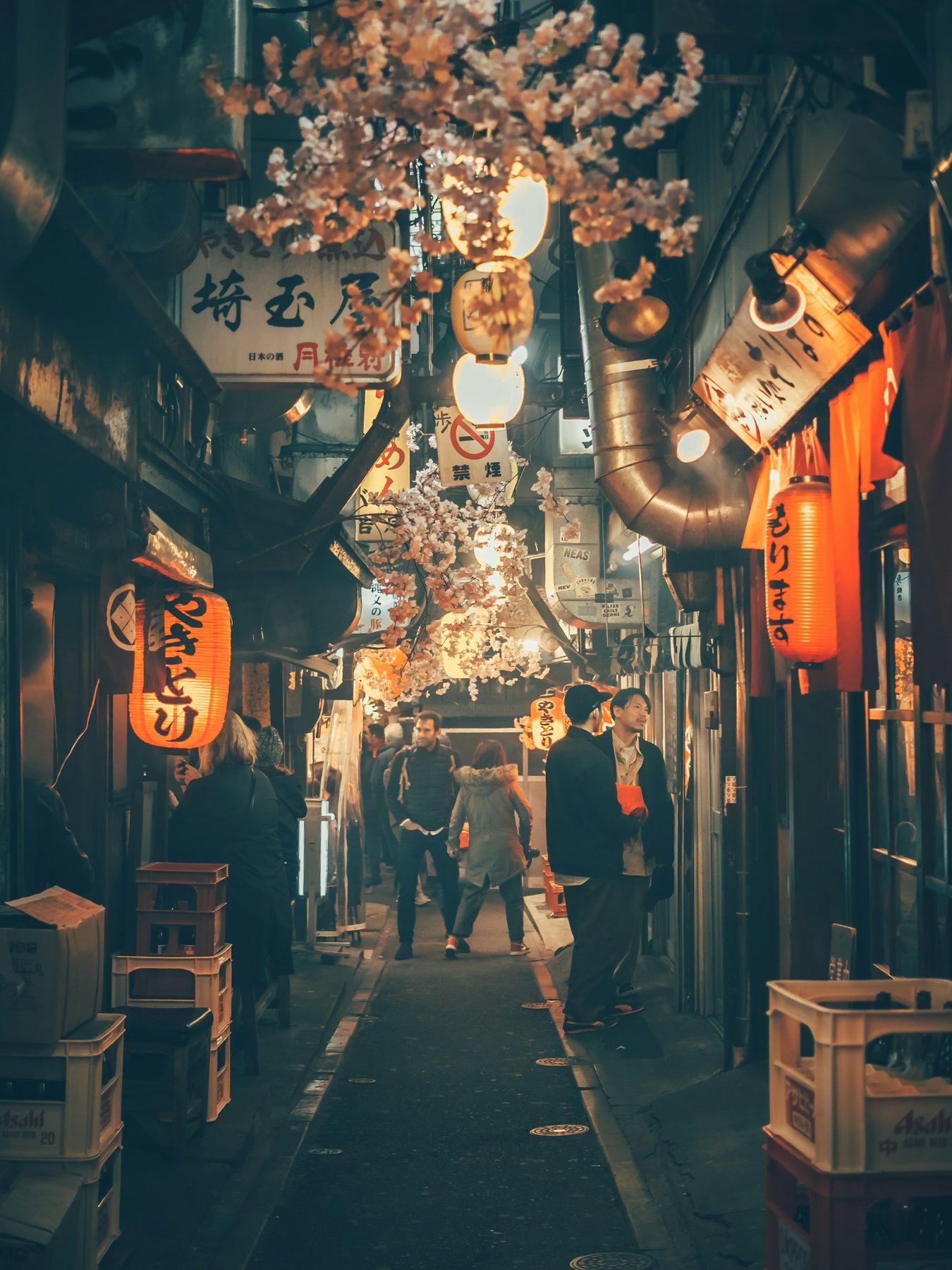
Tokyo After Dark: Shinjuku Izakaya & Golden Gai Food Tour
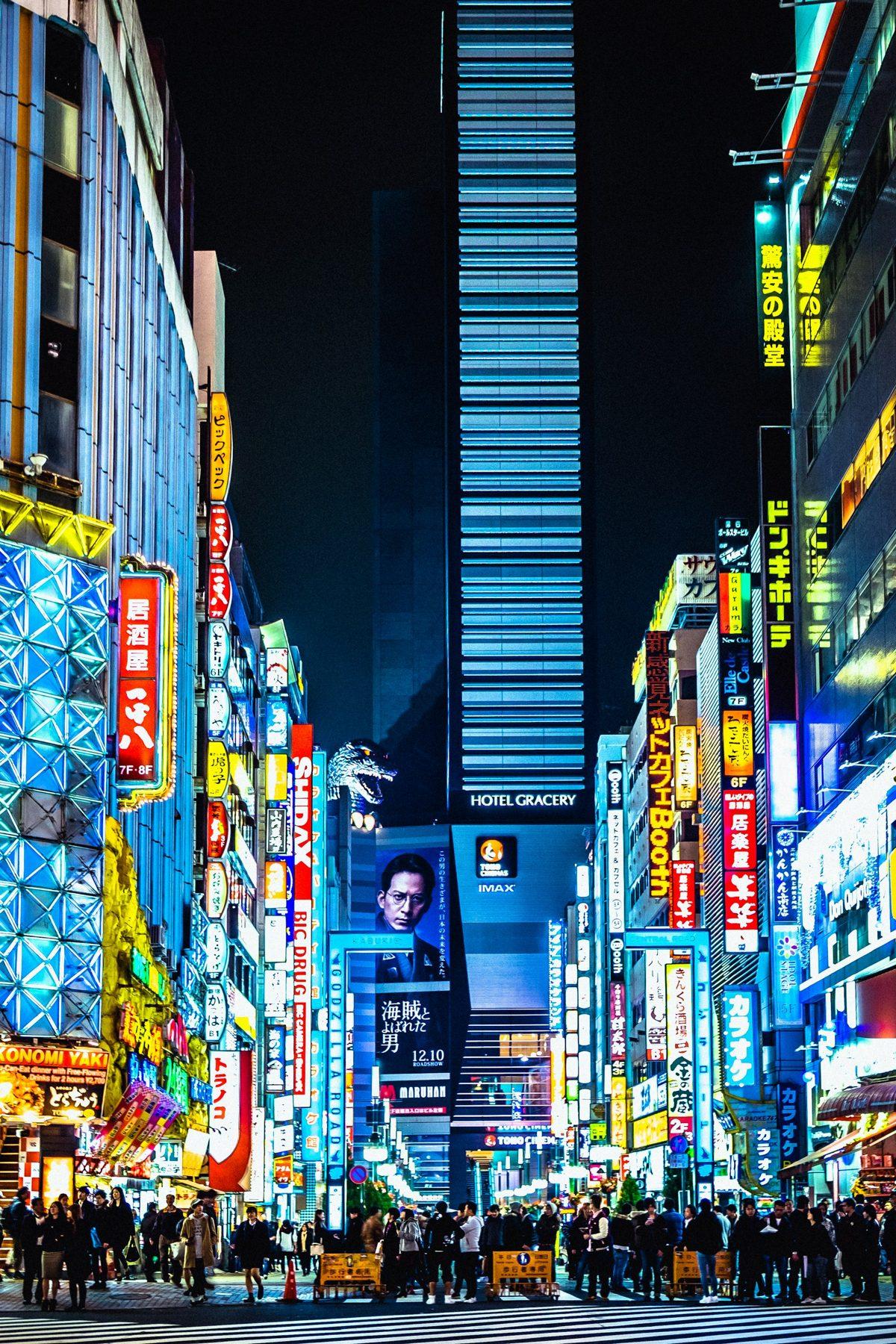
Three hours through Omoide Yokocho and Golden Gai with a local host — yakitori, sake and the stories behind six-seat bars.
3 h
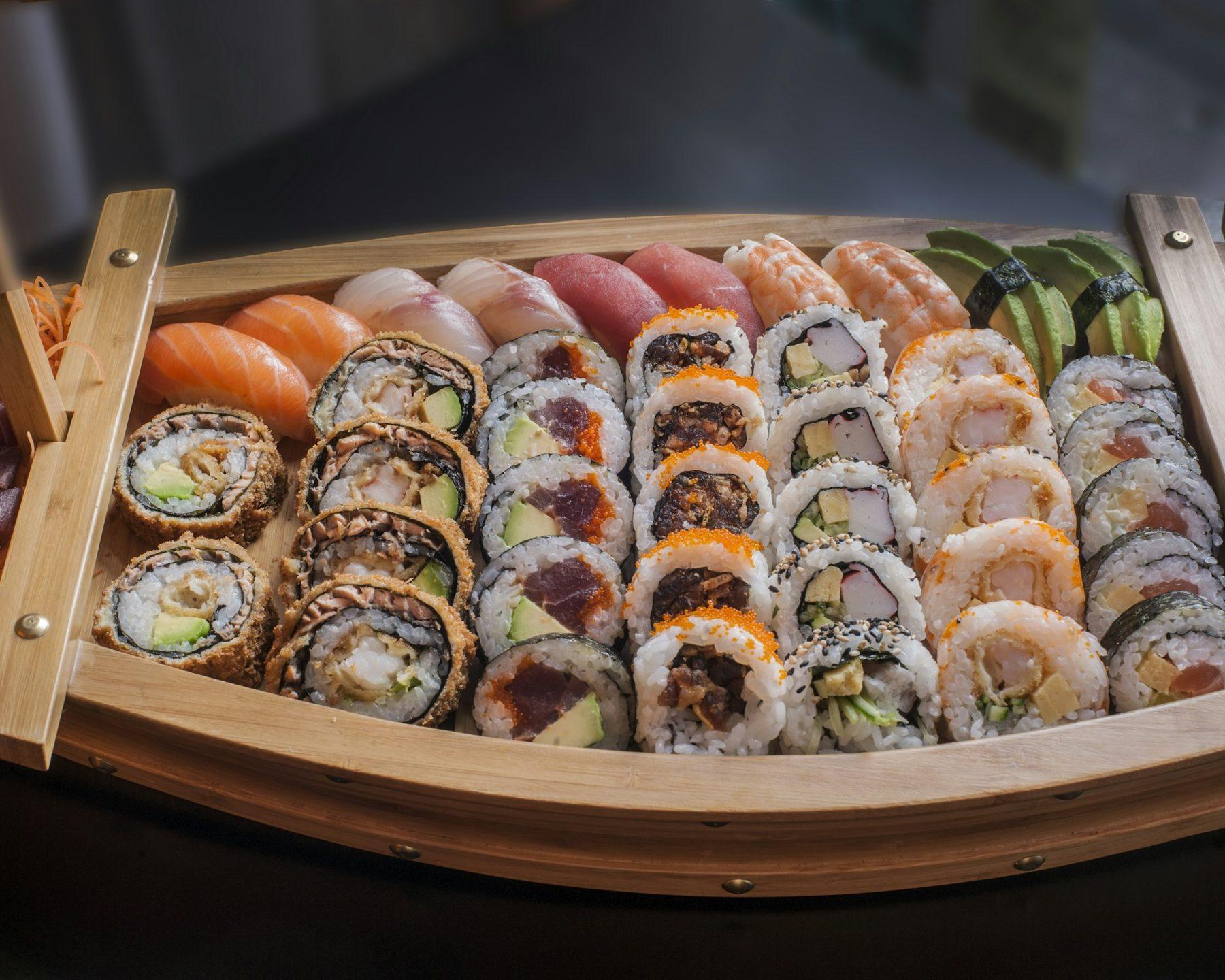
Tsukiji Outer Market Morning Food Walk
Tamagoyaki, fresh uni and the best coffee near the market, before the crowds.
3 h
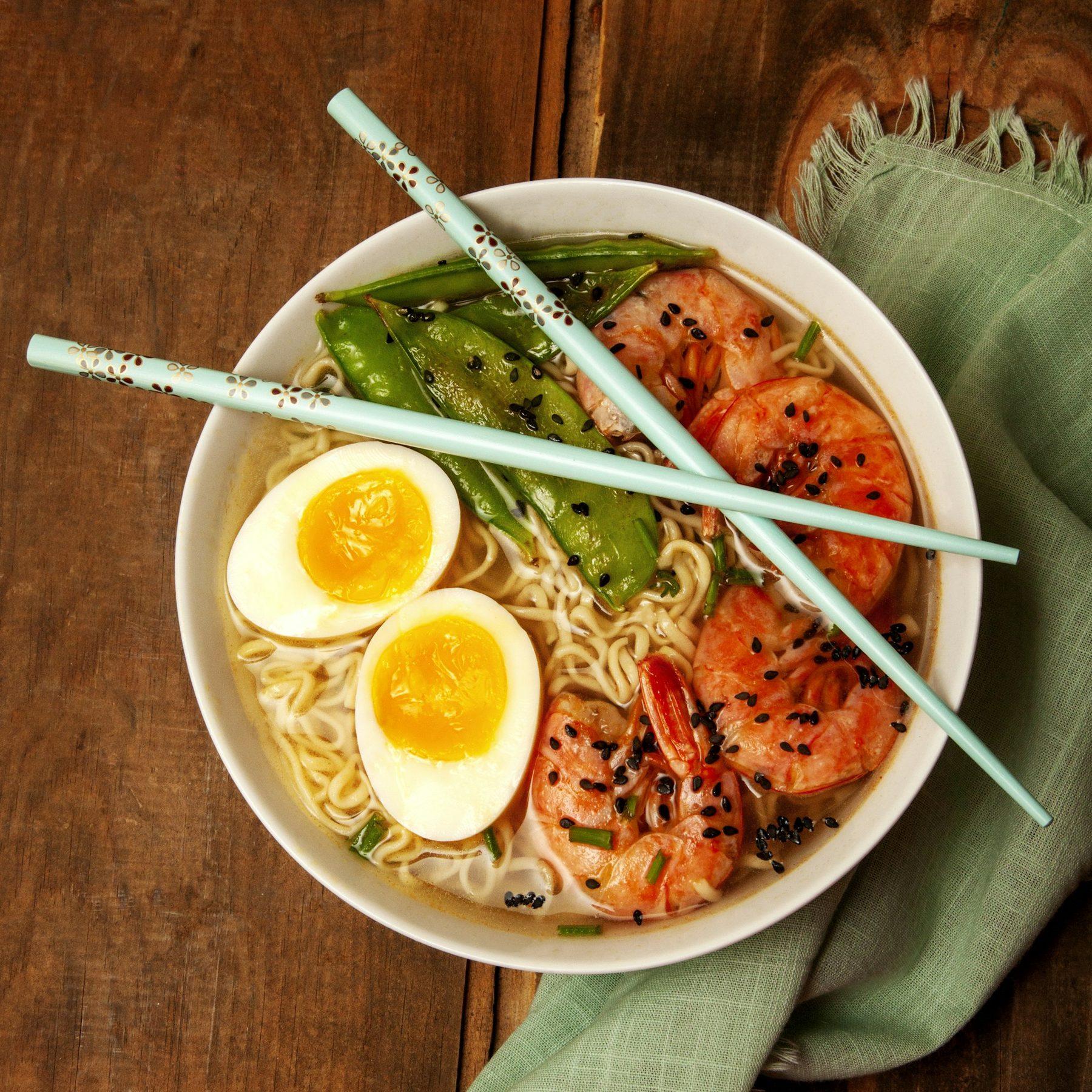
Ramen & Gyoza Cooking Class in Asakusa
Make noodles from scratch and fold gyoza with a former ramen-shop chef.
2 h
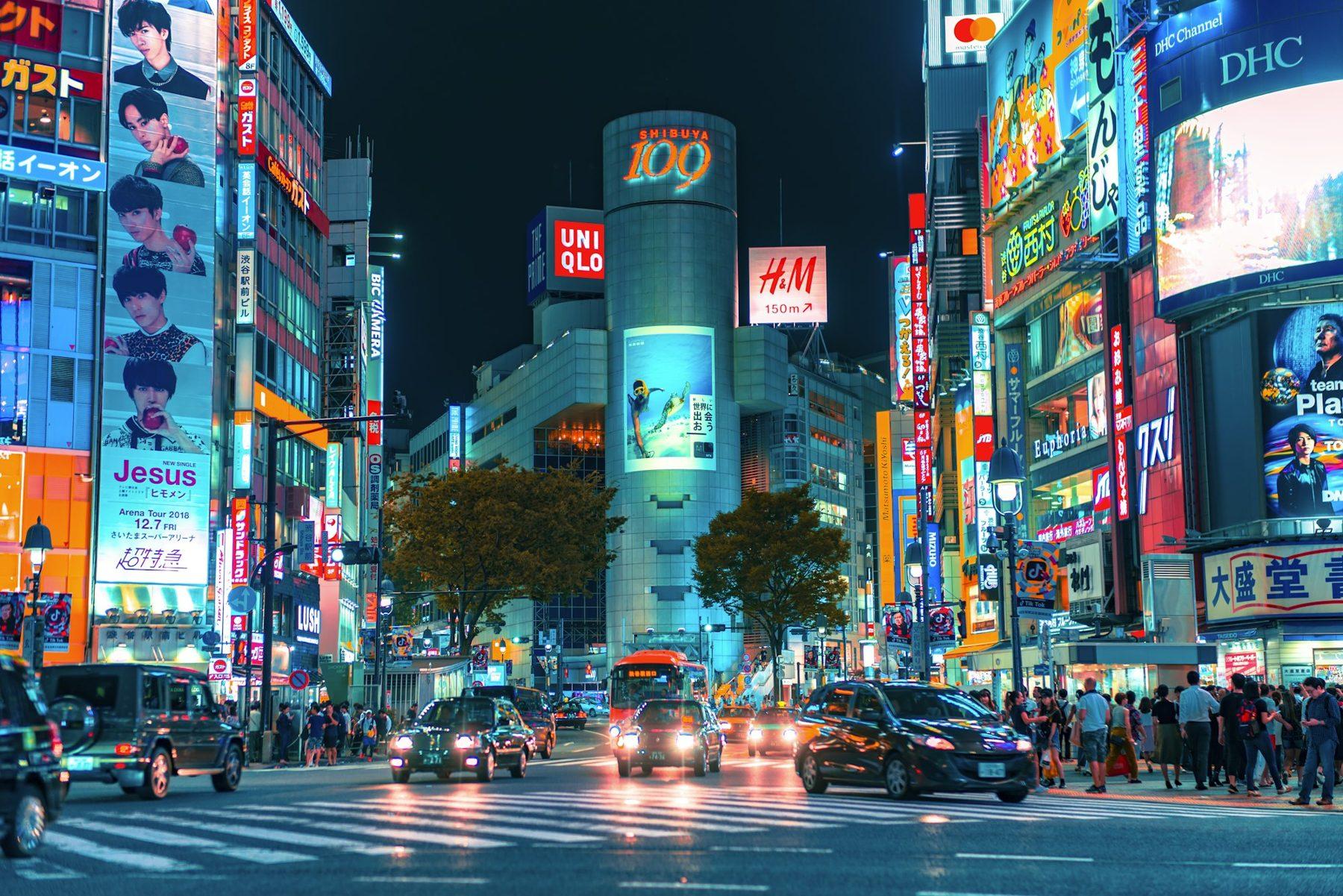
Shibuya & Harajuku Street Photography Walk
Backstreets, rooftops and the crossing from angles most visitors miss.
3 h
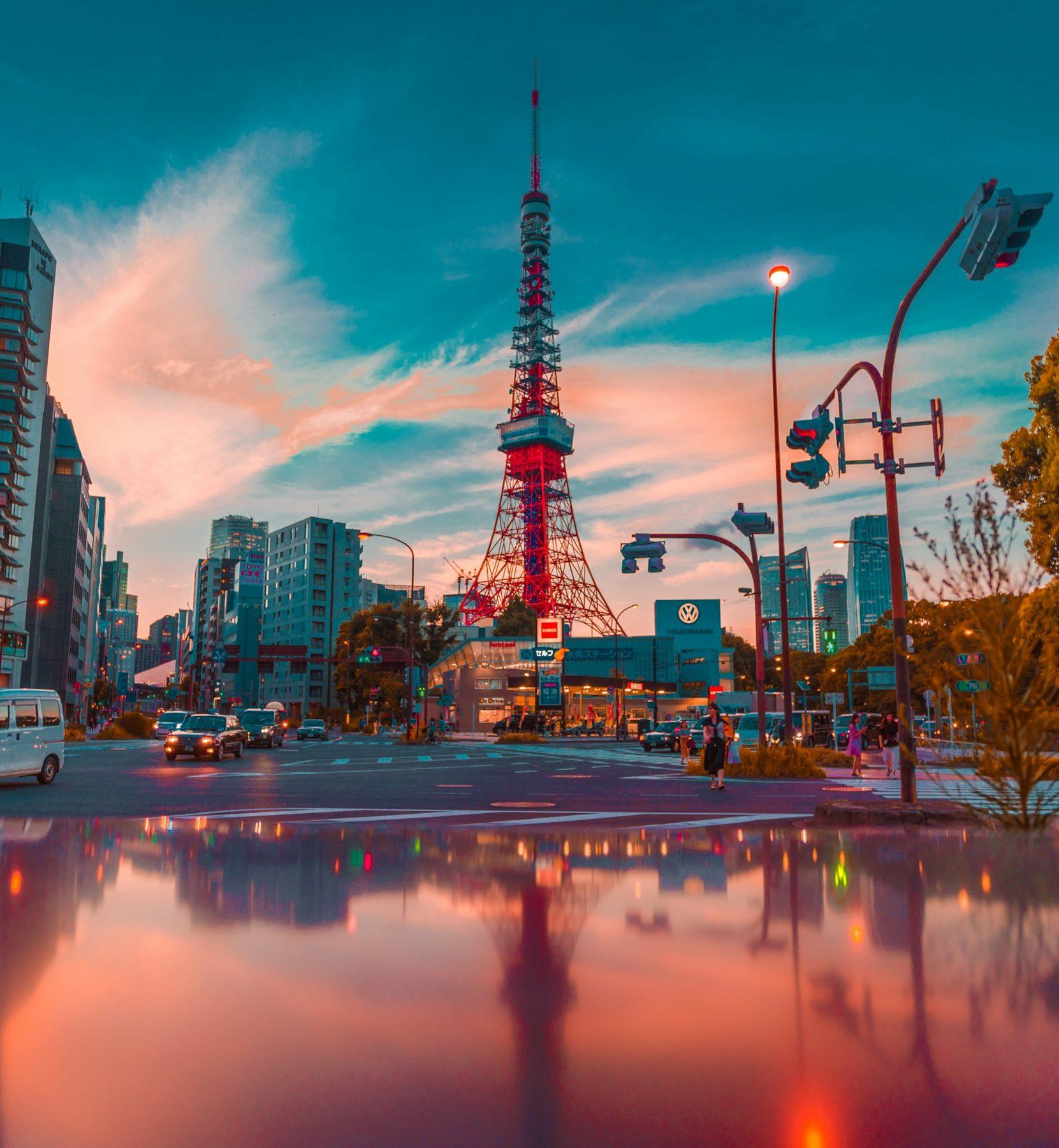
Tokyo Bay Night Cruise with Dinner
A slow loop past Rainbow Bridge and the lit-up skyline with a seasonal kaiseki dinner.
From the journal
Frequently asked questions
What is the best time to visit Tokyo?
March–April and October–November are the sweet spots, with average highs of roughly 14–22°C. Spring brings cherry blossoms; autumn brings clear skies and foliage. July and August are hot and humid, with highs around 30–31°C.
How many days do you need in Tokyo?
Four to five days lets you cover the big neighborhoods — Shinjuku, Shibuya, Asakusa and Ginza — plus a food market morning and a night in Golden Gai. Add a sixth day for a day trip to Hakone's onsen and lake views.
Where is the best area to stay in Tokyo?
Shinjuku is the most practical base for nightlife and transport, keeping most sights within about 25 minutes. Shibuya suits design hotels and shopping, Asakusa offers old-Tokyo calm and temples, and Ginza is the pick for polished service and fine dining.
How do you get around Tokyo?
Use a Suica or PASMO card (or add one to your phone's wallet) on JR and Metro lines, buses and even convenience stores. From Haneda take the Keikyu line or monorail; from Narita the Narita Express or Skyliner. Trains stop around midnight, so plan your last ride home.
Do you need a car in Tokyo?
No. Public transport covers every major sight and neighborhood, and hotel parking is expensive. A car only makes sense for remote countryside trips, and even Hakone is easy by train.