Tokyo in January
Tokyo in January: around 9°C, what crowds and prices to expect, what to do that month and a ready-made plan.
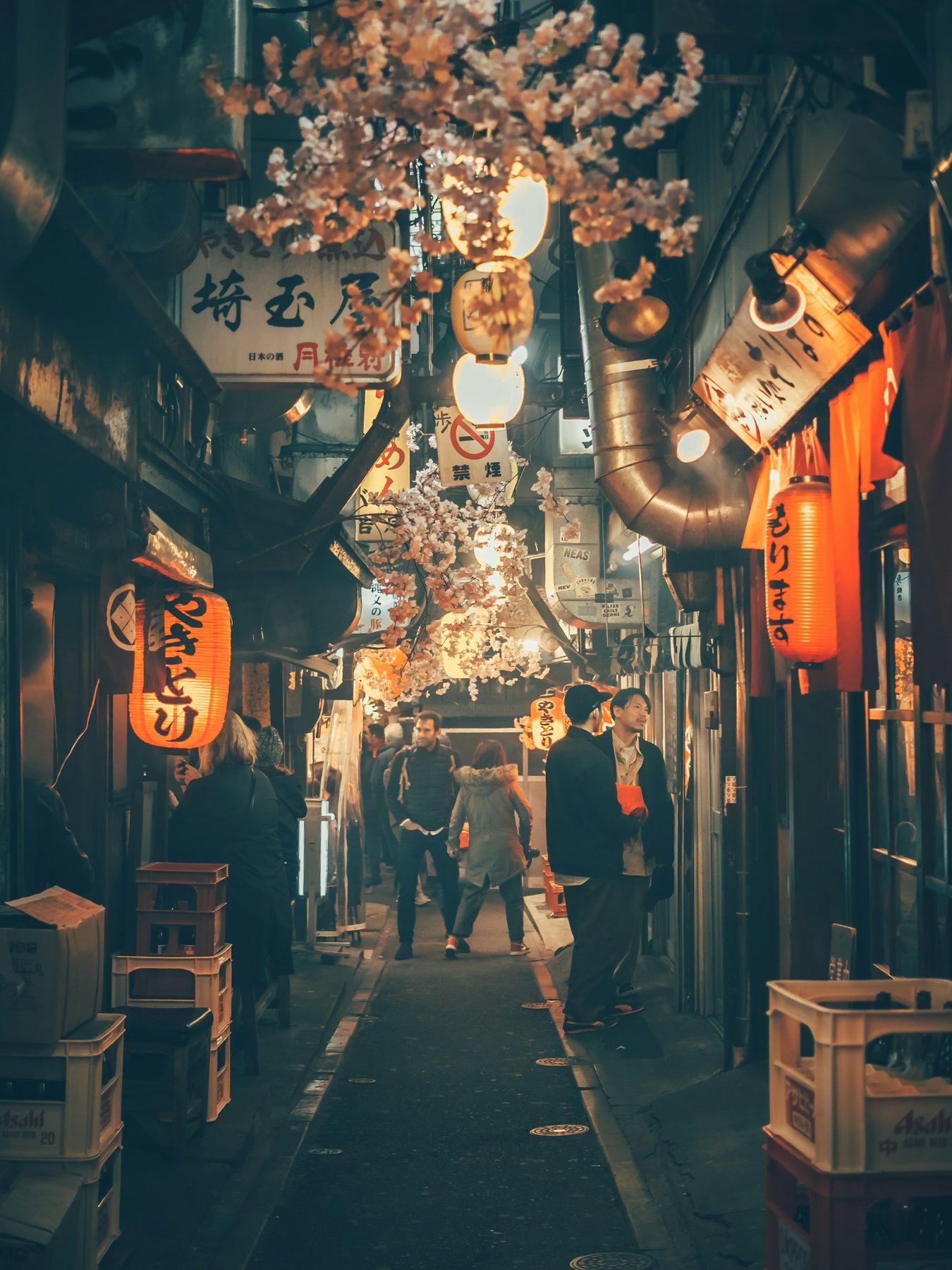
January is off-season for Tokyo: cool weather (around 9°C). The upside is quieter streets and often cheaper stays — plan around indoor options and keep a flexible day.
Temperatures stay fairly steady through the month. The month before averages 11°C and the month after 10°C. Nights drop to around 0°C, and the month sees roughly 57 mm of rain (occasional rain).
Temperature and rain: 2015–2024 averages (ERA5 reanalysis), Open-Meteo.com.
What to do in January
Tsukiji Outer Market breakfast
Tsukiji
Meiji Jingu & Yoyogi Park
Harajuku
Senso-ji at opening
Asakusa
teamLab Planets
Toyosu
Ramen lunch
Shinjuku
Tonkatsu at Maisen
Omotesando
A 5-day plan for January
Day 1
Tsukiji
- Morning
Tsukiji Outer Market breakfast
Tsukiji
- Lunch
Ramen lunch
Shinjuku
- Afternoon
Ramen & gyoza cooking class
Asakusa
- Evening
Street photography walk
Shibuya & Harajuku
- Night
Izakaya & Golden Gai food tour
Shinjuku
- Morning
Day 2
Harajuku
- Morning
Meiji Jingu & Yoyogi Park
Harajuku
- Lunch
Tonkatsu at Maisen
Omotesando
- Afternoon
Shibuya
Shibuya Crossing & Shibuya Sky
- Evening
Tokyo Bay night cruise
Hinode Pier
- Morning
Day 3
Asakusa
- Morning
Senso-ji at opening
Asakusa — Arrive before 8:00 to have the temple almost to yourself.
- Lunch
Depachika tasting at Isetan
Shinjuku
- Afternoon
Harajuku & Omotesando
Shibuya
- Evening
Omakase dinner
Ginza
- Night
Golden Gai
Shinjuku — Most bars seat six — go bar-hopping rather than settling in.
- Morning
Day 4
Toyosu
- Morning
teamLab Planets
Toyosu
- Afternoon
Nakameguro & Daikanyama
Meguro
- Evening
Ebisu Yokocho izakaya dinner
Ebisu
- Morning
Day 5
Yanaka
- Afternoon
Yanaka old town walk
Yanaka
- Night
Live music in Shimokitazawa
Shimokitazawa
- Afternoon
Guides
Frequently asked questions
What is the best time to visit Tokyo?
March–April and October–November are the sweet spots, with average highs of roughly 14–22°C. Spring brings cherry blossoms; autumn brings clear skies and foliage. July and August are hot and humid, with highs around 30–31°C.
How many days do you need in Tokyo?
Four to five days lets you cover the big neighborhoods — Shinjuku, Shibuya, Asakusa and Ginza — plus a food market morning and a night in Golden Gai. Add a sixth day for a day trip to Hakone's onsen and lake views.
Where is the best area to stay in Tokyo?
Shinjuku is the most practical base for nightlife and transport, keeping most sights within about 25 minutes. Shibuya suits design hotels and shopping, Asakusa offers old-Tokyo calm and temples, and Ginza is the pick for polished service and fine dining.