A Slow Week in Tuscany
Why this is the one trip where we always recommend a car — and the countryside route we'd drive.
· 2 min read
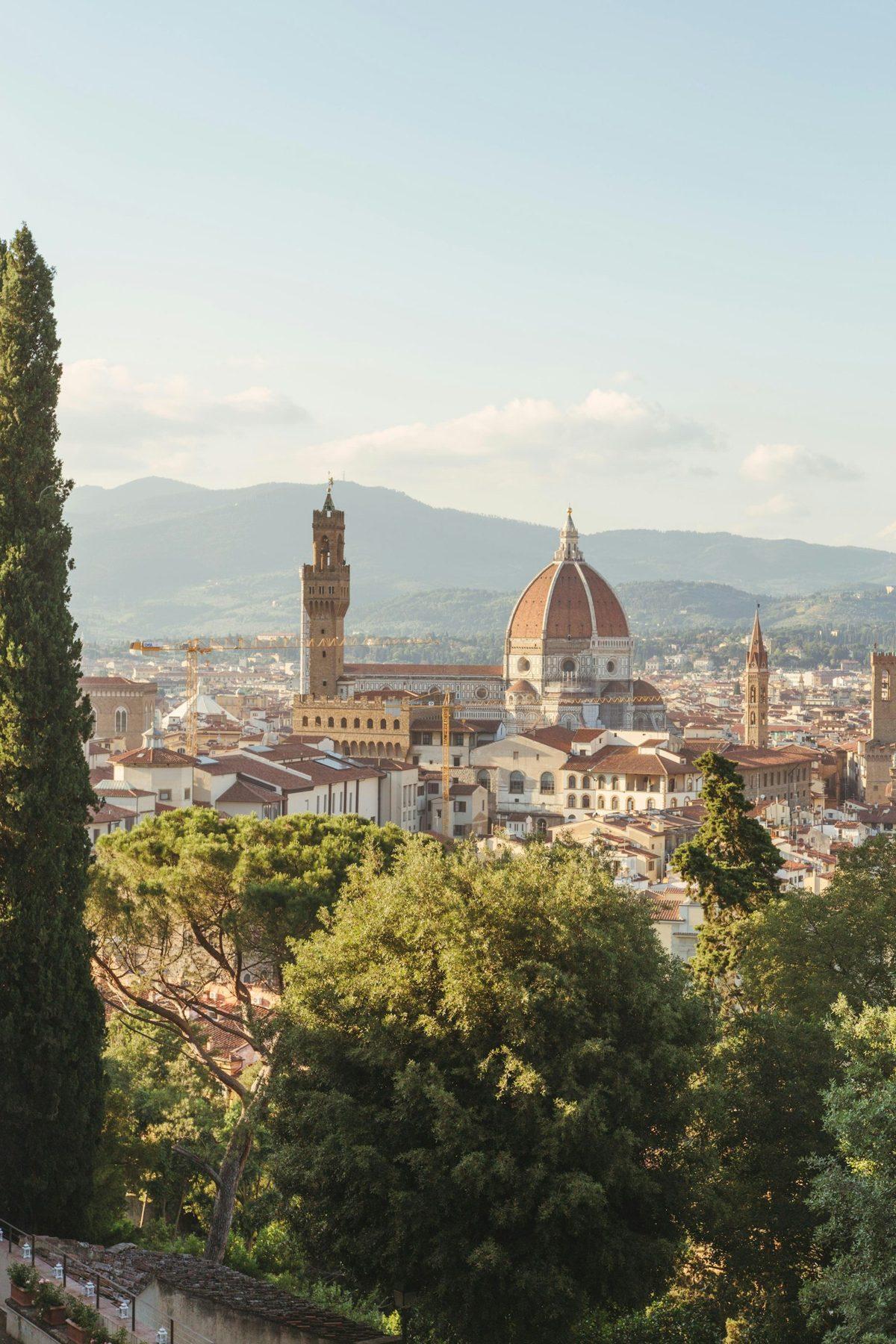
A slow week in Tuscany is less about ticking off hill towns and more about getting the rhythm right: mornings in the car while the light is soft, long lunches, and afternoons by a pool doing nothing at all. Here's the shape we'd give it.
Two nights in Florence, five in the hills
Florence deserves two days on foot — the Uffizi first thing, the Oltrarno for lunch, sunset from Piazzale Michelangelo. Then pick up a car on the way out of the city, never in it: the historic centre is a limited-traffic zone and the fines arrive months later.
Five nights in the Val d'Orcia or Chianti, at an agriturismo with a pool, gives you Siena, Montepulciano, Pienza and the thermal pools at Bagno Vignoni within an hour's drive.
Your week in Tuscany, day by day
- Days 1–2, Florence: the Duomo and Uffizi in the morning, the Oltrarno's workshops and wine bars around Santo Spirito in the evening.
- Day 3: collect the car, drive into Chianti via Greve and Panzano, and check in to your farm stay.
- Day 4: Siena — Piazza del Campo and the cathedral — back for dinner in the countryside.
- Day 5: Val d'Orcia: Pienza for pecorino and pici, Montepulciano for its wine cellars.
- Day 6: a slow morning, then Bagno Vignoni's thermal waters in the afternoon.
- Day 7: San Gimignano on the way back towards Florence or Pisa for your flight.
Chianti or Val d'Orcia?
Choose Chianti if you want to stay closer to Florence and Siena, with wineries on almost every road. Choose the Val d'Orcia for the postcard landscape — cypress-lined lanes, rolling bare hills and Renaissance towns like Pienza — and slightly longer drives to the cities. With five nights, some travellers split them: two in Chianti, three further south.
Why the car wins here
Buses connect the bigger towns, but rarely on the schedule you'd want, and many of the best wineries and farm restaurants are at the end of a gravel road. For four or more countryside stops, a rental car is usually cheaper than organised tours and saves hours each day.
Driving in Tuscany: what to know
- ZTL zones: most historic centres, not only Florence's, are limited-traffic zones monitored by cameras. Park outside the walls and walk in.
- Speed cameras are common on main roads; keep to the limits even when the road is empty.
- Parking: blue lines usually mean paid parking, white lines free, yellow lines reserved.
- Fuel: some rural stations are self-service only at lunchtime and on Sundays, so carry a card that works at the pump.
Not every Italian trip needs a car — our Amalfi Coast car vs ferry guide explains why the coast is the opposite case. For stays and experiences, see the Tuscany destination guide.
Frequently asked questions
Do you need a car in Tuscany?
For the countryside, yes. Buses link the main towns but not on convenient schedules, and many wineries and farm stays are only reachable by car. If you stay only in Florence and Siena, trains are enough.
Is a week in Tuscany enough?
A week is enough for two nights in Florence and five in the countryside, covering Siena, Chianti and the Val d'Orcia at a relaxed pace. You'd need more time to add Lucca, Pisa or the coast.
What is a ZTL in Italy?
A ZTL (zona a traffico limitato) is a limited-traffic zone in a historic centre, enforced by cameras. Driving in without authorisation can lead to fines sent to you via the rental company, so park outside and walk in.
Wayline Editors · Travel desk
The Wayline editorial team plans trips for a living — and writes down what actually works.
- #tuscany
- #italy
- #road-trip
- #florence
- #wine